
Digital Product Passport (DPP) Implementation: From Policy to Production
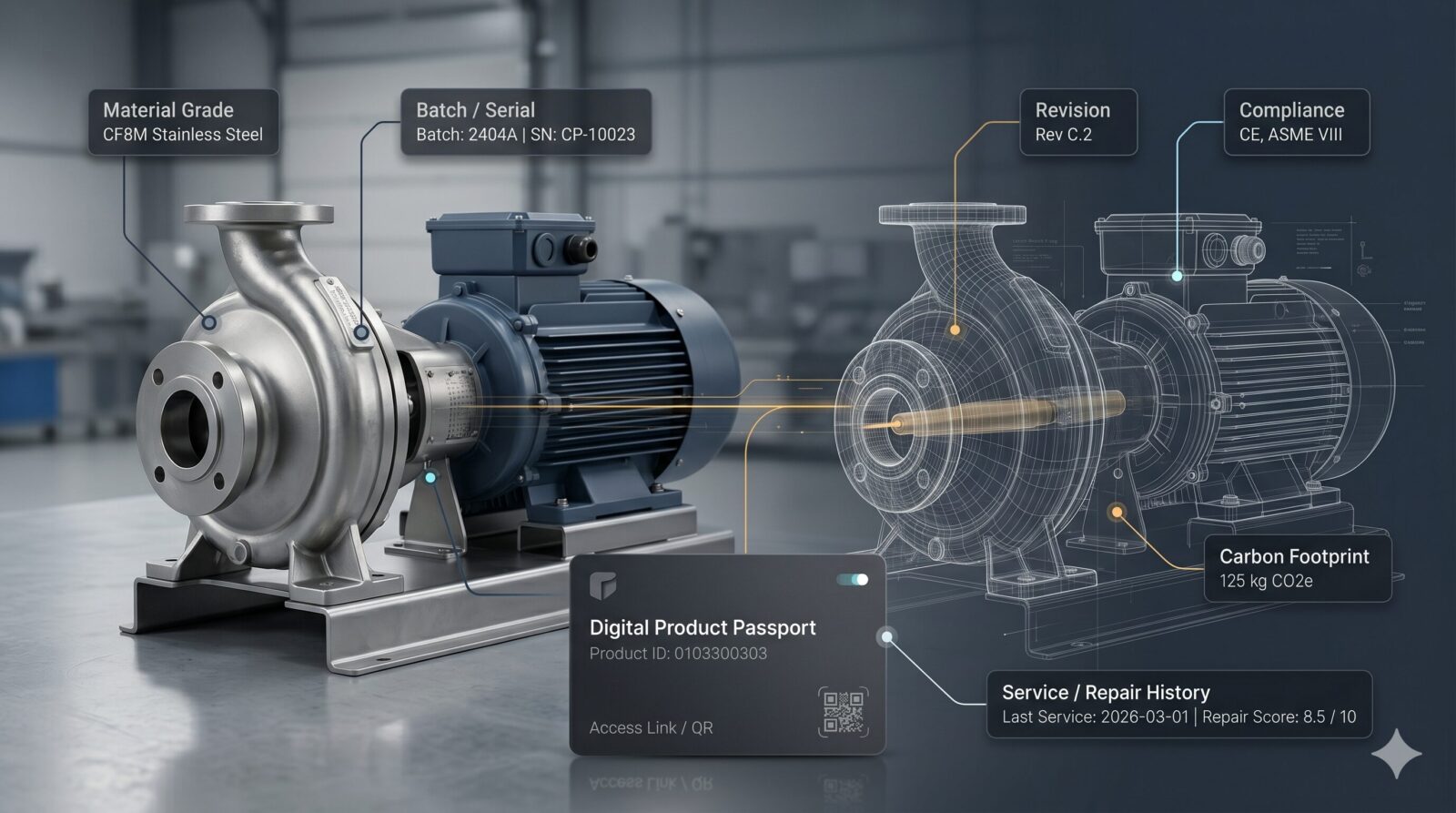 The Digital Product Passport (DPP) is moving from “EU policy” to “production reality.” For leadership, the challenge isn’t understanding the law—it’s retooling the data backbone to meet it.
Many DPP initiatives stall because they attempt to solve for full circularity before fixing the foundational link between the Engineering Revision (PLM) and the Physical Unit (ERP). To avoid “analysis paralysis,” we advocate for a structured, three-phase approach:
The 3 Phases of DPP Readiness
Phase 1: The Regulatory Minimum: Establishing the “Physical-to-Digital Handshake” and securing mandatory material declarations.
Phase 2: The Carbon & Process Layer: Integrating batch-level manufacturing data to fuel verifiable Life Cycle Assessments (LCA).
Phase 3: The Circularity Vision: Enabling high-value features like repairability scores, automated disassembly instructions, and resale markers.
The goal isn’t just compliance; it’s building a system where a well-documented product becomes your most valuable asset.
Download the full 9-page PDF to get:
- The MVDS (Minimum Viable DPP Data Set): The absolute baseline of data fields required to launch a functional, compliant passport.
- The Reference Architecture: A visual map of how data must flow between your Suppliers, PLM, ERP, and the external DPP Hub.
- The Hierarchy of Sourcing: A strategy to reduce manual work by leveraging existing regulatory databases (ECHA/SCIP).
- The Technical Glossary: A “no-nonsense” guide to the essential acronyms, from AAS (Asset Administration Shell) to UPI (Unique Product Identifier).